UN Security Council Postpones Vote on Hormuz Shipping Protection Resolution
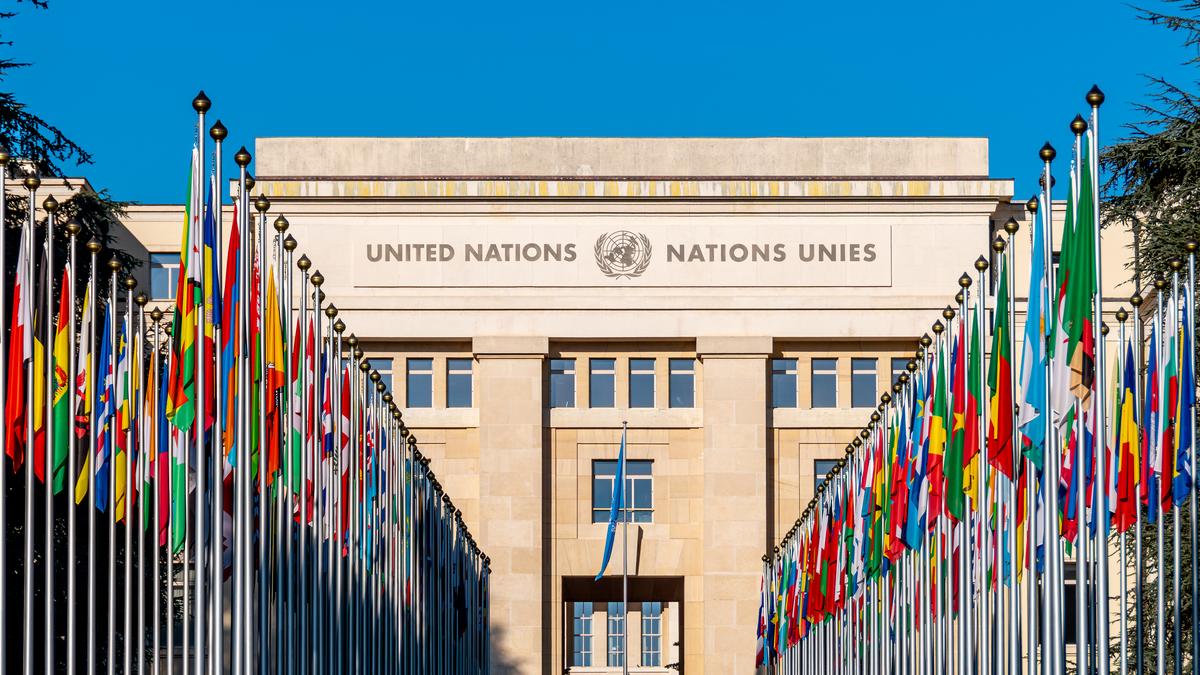
The UN Security Council postponed a vote on a resolution to authorize defensive force to protect shipping in the Strait of Hormuz.
Verified Facts
- The Gulf Cooperation Council (GCC) called on the UN Security Council to take necessary measures to protect maritime routes and ensure safe international navigation.
- Bahrain circulated a revised draft resolution to the UN Security Council aimed at securing commercial navigation in the Strait of Hormuz.
- The UN Security Council was scheduled to vote on a resolution concerning the Strait of Hormuz.
- The draft resolution authorizes countries to use 'all defensive means necessary' to secure passage and deter interference with international navigation in the Strait of Hormuz and adjacent waters.
- Russia and China expressed opposition to language in the draft resolution that explicitly called for the use of force to reopen the Strait of Hormuz.
What They Said
AI-generated summary. It may contain mistakes. Verify with source coverage.
Corroboration shows how strongly independent sources and evidence align on the verified core.
How the story is being framed
Frame 1: UN Security Council Urged to Mandate Force for Strait of Hormuz Security
Gulf nations, led by Bahrain during its UN Security Council presidency, are pressing for a resolution to authorize "all necessary means," including military action, to protect commercial shipping and ensure safe navigation through the Strait of Hormuz. The move comes amidst regional tensions and calls to halt alleged Iranian attacks on maritime traffic.
Who Is Pushing This
Frame 2: Hormuz Disruptions Offer China a Taiwan Playbook
The ongoing challenges in securing the Strait of Hormuz are seen as a strategic blueprint for China's potential actions in the Taiwan Strait. Beijing is expected to study and replicate tactics used to disrupt Hormuz shipping, with analysts warning of even more severe global economic consequences if similar maritime blockades were imposed around Taiwan. This scenario underscores critical geopolitical implications for international trade and security.